
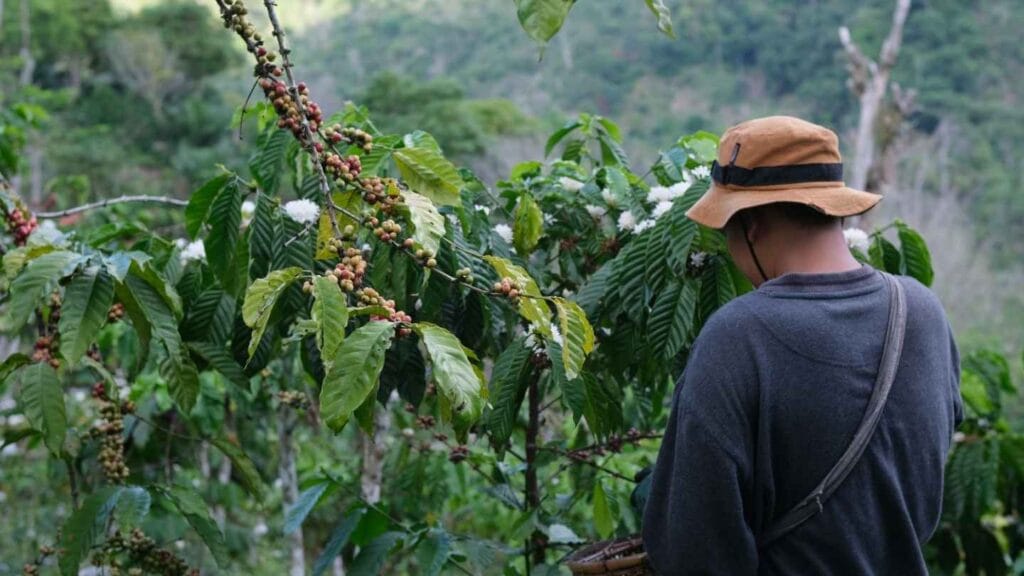
History of Coffee in Java: Culture and Local Experience. When you drink coffee in Java, you are not just enjoying a beverage, you are tasting history.
For many travelers visiting Central Java, coffee is everywhere. It is served in small local shops, at village homes, and even near famous places like temples and rice fields. But behind every cup, there is a long journey that started hundreds of years ago.
In this article, you will learn about the history of coffee in Java, how it became part of Indonesian culture, and how you can experience it during your trip.
The Early Journey of Coffee to Asia
Coffee originally came from Yemen in the Middle East. For many years, it was only grown and consumed in that region.
Later, coffee spread to other parts of the world. One important figure in this journey is Baba Budan, who is believed to have brought coffee seeds from Yemen to India.
From India, coffee continued to travel across Asia through trade routes. This movement eventually brought coffee closer to Southeast Asia, including Indonesia.
How Coffee First Came to Java
Coffee officially arrived in Java in the late 1600s during the Dutch colonial period.
The Vereenigde Oostindische Compagnie introduced coffee to the region around 1696. The first coffee plants were grown in Batavia, which is now Jakarta.
At first, the attempt failed because of flooding. However, the Dutch tried again a few years later—and this time, the plants grew successfully.
By the early 1700s, coffee plantations in Java expanded quickly. This marked the beginning of Java’s importance in the global coffee trade.
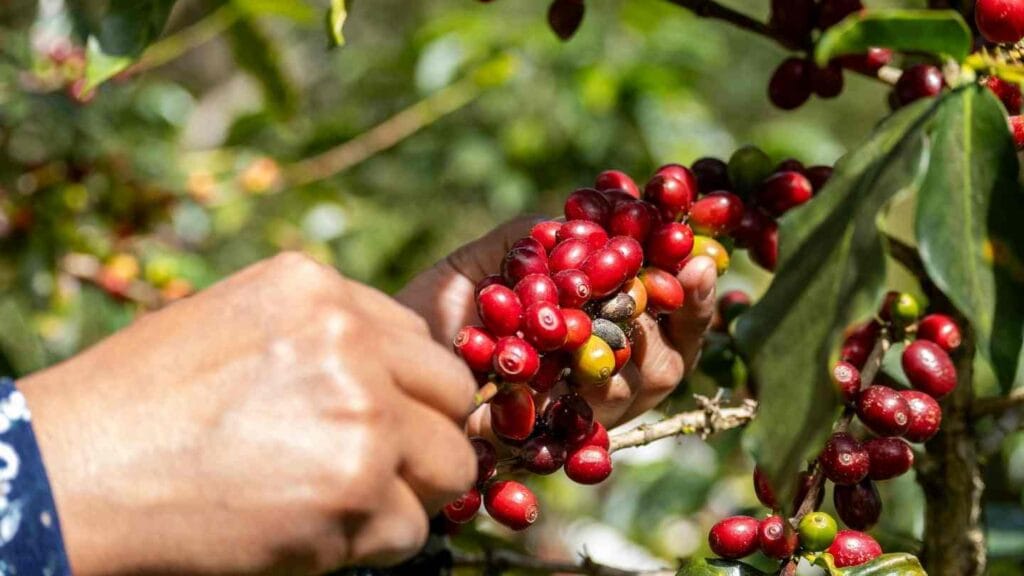
How Java Coffee Became Famous Around the World
As production increased, Java became one of the world’s leading coffee suppliers.
Coffee from Java was exported to Europe, where it became very popular. In fact, the name “Java” became widely used as another word for coffee.
Even today, in some parts of the world, people still use the term “Java” to refer to coffee. This shows how strong the influence of Java coffee has been throughout history.
Coffee in Daily Life in Java
Today, coffee is deeply connected to daily life in Java.
In many villages, people enjoy coffee in a simple and traditional way. One of the most common styles is kopi tubruk, where ground coffee is mixed directly with hot water, often with sugar.
Coffee is more than just a drink. It is:
- A way to welcome guests
- A part of morning routines
- A reason to sit, relax, and talk
These small moments show how coffee connects people in Indonesian culture.
The history of coffee in Java is a story that connects different parts of the world, from Yemen to India, and finally to Indonesia.
Today, coffee continues to play an important role in daily life and culture in Java. For travelers, it offers more than just taste. It offers connection, understanding, and experience.
So when you visit Java, take a moment to slow down and enjoy a cup of coffee.
Because here, coffee is not just something you drink. It is something you experience.
Experience Coffee with Aventuro Tour
At Aventuro Tour, we believe that travel should be meaningful and personal.
That’s why our tours are designed not only to show you the highlights, but also to connect you with local life. Along the way, you can enjoy simple but memorable moments, like sharing a cup of coffee in a village.
Our experiences may include:
- Visiting traditional villages by bicycle
- Meeting local people
- Learning about daily life
- Enjoying authentic Indonesian coffee
These are the moments that turn a trip into a story.
History of Coffee in Java: Culture and Local Experience
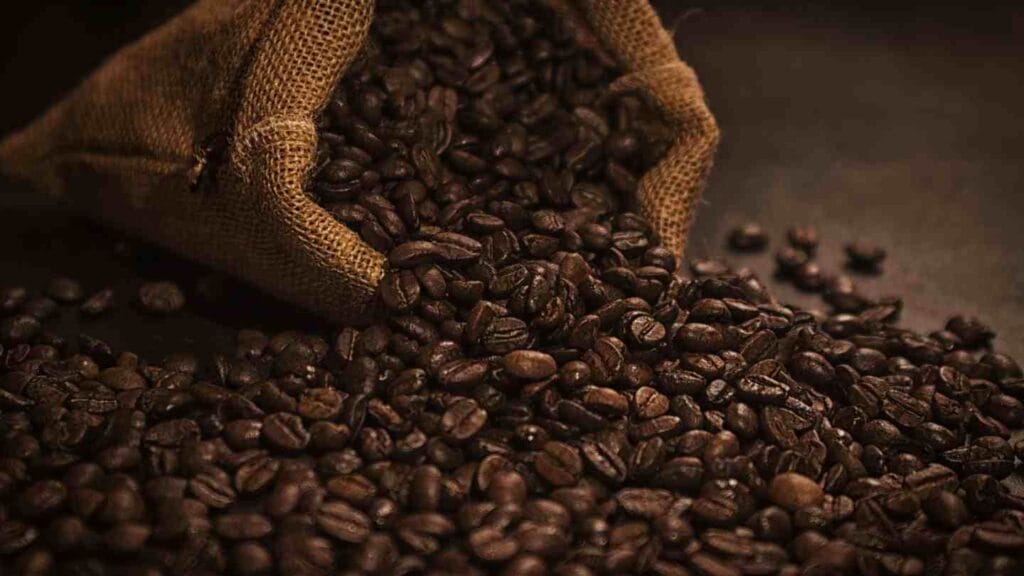
Coffee in Java is more than a story of the past. It is something you can still feel and experience today. From its journey across continents to its place in everyday life, coffee continues to connect people, culture, and tradition in a simple but meaningful way.
When you visit Central Java, take a moment to slow down, sit with a warm cup, and enjoy the atmosphere around you. Because here, coffee is not just something you drink—it is a quiet experience that brings you closer to the real Java.

